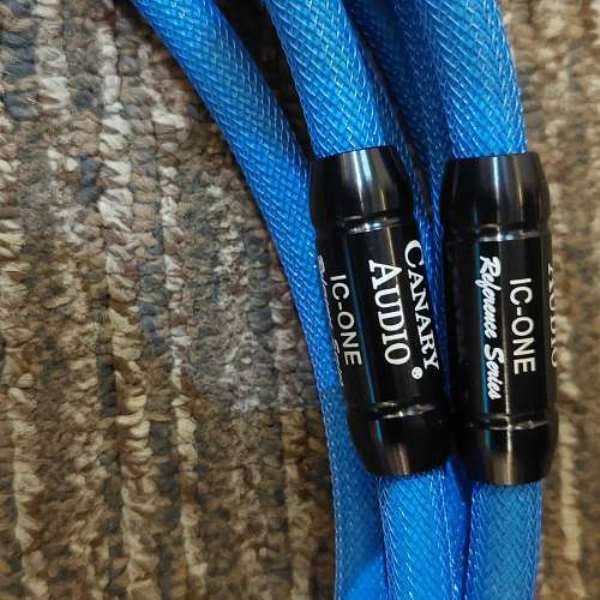
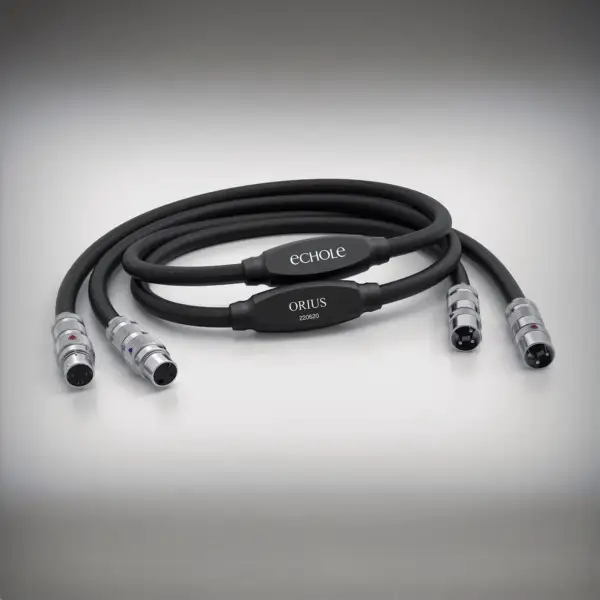
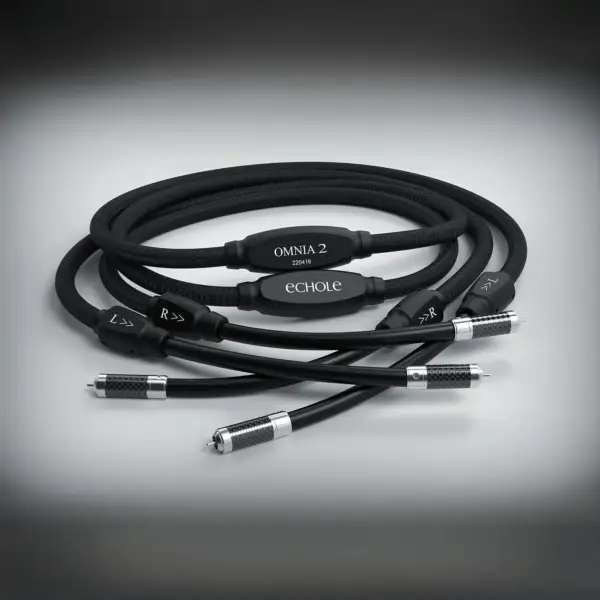
MIT Cables engineers understand that every piece of music is built upon the foundations of percussion and bass instruments. Our new SHD interconnect technology controls and correctly connects…
Description
Engineers at MIT Cables understand that every piece of music is built upon the foundations of percussion and bass instruments. Our new SHD Interconnect technology controls and precisely connects the lowest frequencies in the bass range. SHD Interconnect technology enables your system to clearly express frequencies as low as 10Hz, far below the lowest bass frequencies in typical recordings. The lowest frequencies in the audio spectrum are an area that has never been addressed in terms of clarity contrast before.
SHD can also control subtle environmental reflections of the ceiling, walls, and stage floor around the recording venue, providing the most natural and captivating listening experience.
110 vocal poles
Low-frequency vocalization on/off, flexible adjustment
AARM (Adjustable Vocal Response Module)
Impedance matching – switchable up to 3 meters. For lengths exceeding 4 meters, please specify low impedance (5-50 kΩ), medium impedance (40-100 kΩ), or high impedance (90 kΩ and above).
Patented V-shaped structure for stress relief. (Straight-through structure available upon special order)
A balanced (XLR) configuration is also available. Sold in pairs.
AARM Adjustable Acoustic Response Module
Oracle MA-X’s acoustic selector allows listeners to “fine-tune” this interface for the optimal balance between transients, detail, imaging, and musicality. All this is easily accomplished by simply rotating the acoustic selector, a patented MIT technology integrated into every Oracle MA-X interconnect.
The image below is an artist’s rendering of the acuity response at various settings of the Oracle MA-X acuity selector switch. The baseline is the 50% line. Positive values boost acuity above the 50% line, enhancing the system’s transients, detail, imaging, and musicality. Negative values below the 50% line tend to have the opposite effect. The selector switch setting is entirely subjective—try it out, set the selector switch to where you feel the system performs best, and then enjoy the music!
聲輝音響 Sound Glory © 2025
掃描二維碼添加微信